If a data center is camouflaged in the woods, will anyone hate it?
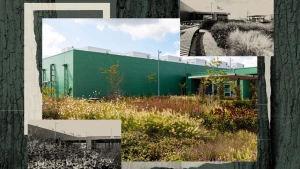
 Microsoft is expanding 'biomimicry' at its data centers to soften their impact, but critics say it's merely 'lipstick on a pig' given the company's growing pollution and resource use.
Summary
Microsoft is expanding "biomimicry" at its data centers to appear less intrusive, planting gardens, native trees, and vegetation buffers to blend facilities into the landscape and muffle noise. The company says these nature-inspired solutions restore ecosystems and improve community relations, citing projects in San Antonio and Mount Pleasant, Wisconsin. However, critics argue the efforts are superficial given the scale of the industry's impacts—data centers have destroyed thousands of trees, drive up electricity and water demand, and Microsoft's carbon emissions jumped 25 percent in 2025. Local officials like San Antonio Councilmember Ric Galvan describe resident frustration over tree loss, pollution, and noise, while advocates such as Adrian Shelley of Public Citizen call biomimicry "lipstick on a pig," noting that new gas plants built to power data centers create their own harms. A former Microsoft sustainability lead, Holly Alpine, left the company over contradictions between its climate goals and its AI and fossil fuel business, and research she coauthored found AI enables more emissions than it avoids. Some experts see real local value in biomimicry if benefits are tracked and shared with communities, but the tension between Microsoft's small-scale ecological projects and its broader environmental footprint remains unresolved.
(Source:The Verge)